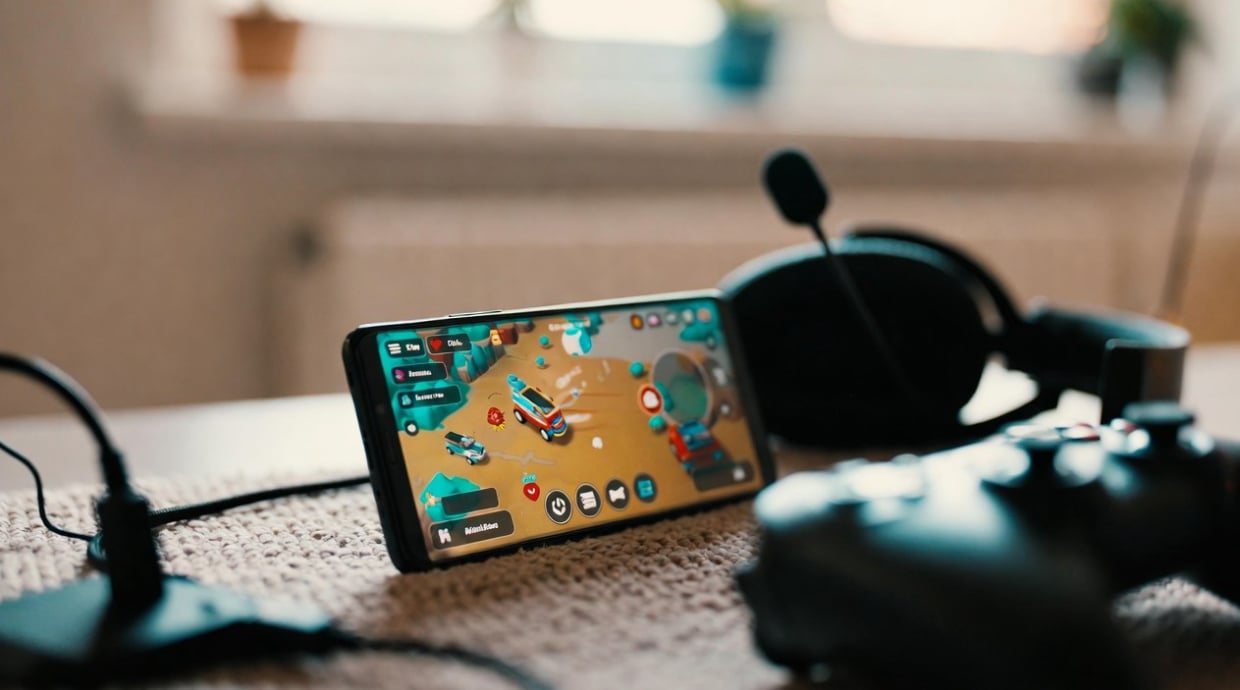
The Mobile Pulse: How Daily and Weekly Events Drive Engagement
In the fast-paced world of mobile gaming, player engagement is meticulously engineered through a relentless rhythm of content. The high frequency of game updates on this platform is less about overhauling systems and more about injecting a constant stream of novelty through regular in-game events. These are not mere patches; they are carefully scheduled occurrences—daily login streaks, weekly challenge rotations, and limited-time collaborations—that transform the game from a static product into a living service with its own calendar. This creates a powerful psychological loop where the game becomes a habitual part of the player's daily routine, leveraging principles of variable rewards and fear of missing out (FOMO) to ensure consistent logins.
The architecture of these regular in-game events is built on short feedback cycles and immediate gratification. A player can start and finish several event objectives within a single commute, receiving tangible rewards that fuel progression. This design capitalizes on mobile play patterns: short, frequent sessions scattered throughout the day. The constant frequency of game updates in this form serves as a continual re-engagement hook, pulling players back not just weekly, but often daily, to check on new goals, collect resources, and maintain their standing on ever-refreshing leaderboards.
This environment fosters a different kind of community dynamic compared to PC spaces. Discussion is often hyper-focused on optimizing event strategies, sharing tips for the current challenge, and communal excitement over new limited-time content. The frequency of game updates here is so high that the community's conversation is in a permanent state of flux, tied to the "now" of the current event. This can create vibrant, if sometimes transient, bursts of activity that keep the social channels perpetually buzzing with fresh topics and shared objectives.
However, this model is not without its challenges. The pressure to maintain a blistering pace of regular in-game events can lead to developer burnout and content that feels repetitive or shallow. Players, in turn, may experience engagement fatigue, feeling obligated rather than excited to log in. The sheer frequency of game updates can sometimes overwhelm, turning play into a chore. The key for developers is to balance predictability with surprise, ensuring events feel rewarding and meaningful rather than like a mandatory checklist.
The most successful mobile games use this rapid frequency of game updates to tell micro-stories and introduce novel mechanics in bite-sized pieces. A week-long event might introduce a new character, a unique game mode, and a themed narrative, all of which is then cycled out, creating a sense of an evolving world. This approach keeps the meta-game fresh and allows developers to test new ideas with low long-term commitment, using player response to these regular in-game events as a live focus group for what might become permanent features.
Ultimately, the mobile pulse is defined by its cadence. It’s a strategy of constant, low-intensity stimulation designed to weave the game into the fabric of daily life. By mastering the tempo and quality of regular in-game events, developers can build enduring habits, turning casual players into dedicated daily users whose engagement is punctuated and reinforced by the predictable yet ever-changing frequency of game updates.